
News
The Green Product Paradox in B2B Markets
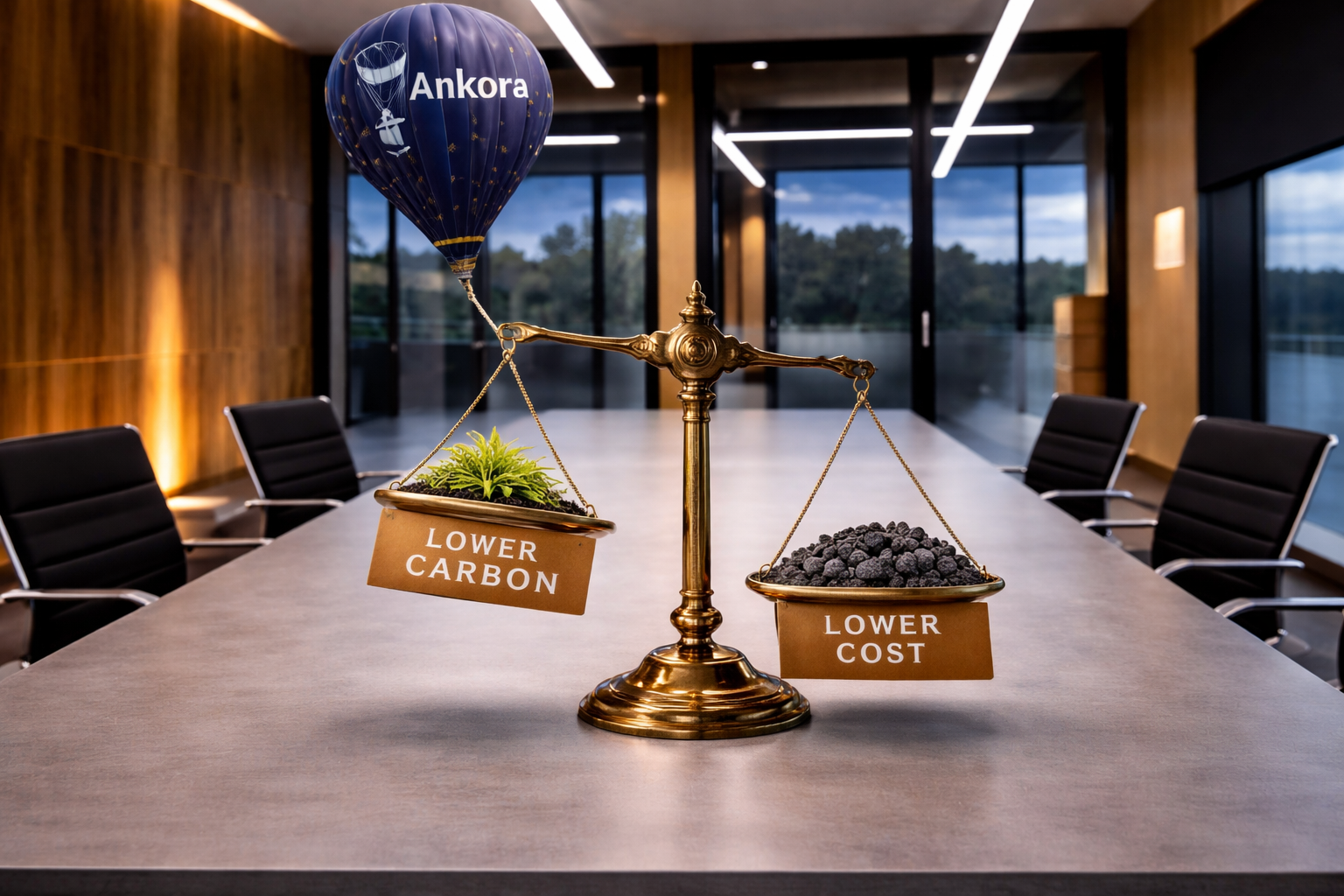
Surveys consistently show strong support for sustainable products. - Customers say they want low-carbon materials. - Businesses say sustainability matters in procurement. - ESG is now firmly on the boardroom agenda. But when real purchasing decisions are made — price still usually wins.
This disconnect is sometimes called the “green gap”: the difference between what organisations say they value and how they actually buy. In B2B markets the effect is often even stronger. Procurement teams are typically measured on: - Cost. - Reliability. - Risk. - Delivery. Not carbon footprint.
For companies developing greener products, this creates a real challenge. Lower-carbon materials, circular product design and cleaner manufacturing often increase costs in the short term. Yet when buyers compare options, the question still tends to be “Which one is cheaper?” This is why sustainability alone rarely wins procurement decisions.
Green products tend to succeed when they also deliver clear commercial value — performance, reliability, risk reduction or long-term cost stability. However, something important is starting to change. Many large companies have now made net-zero commitments and emissions reduction targets. To meet those targets they need to reduce Scope 3 emissions — the emissions embedded in their supply chains.
For many of these organisations, these supply-chain emissions make up the majority of their footprint. That means sustainability is slowly moving from a marketing preference to an operational requirement. Large companies are beginning to ask suppliers for: - Emissions data. - Product carbon footprints. - Lower-carbon materials. - Evidence of reduction plans. When that happens, greener products stop being a premium feature and start becoming a solution to a business problem. For Australian manufacturers and suppliers, the key question may not be whether sustainability matters. It may be how quickly supply-chain pressure will turn low-carbon products into a competitive advantage.

Is your choice of lower-carbon inputs actually better for the environment?
As companies increasingly use carbon footprinting to guide material choices, an important question is emerging: how do existing standards treat carbon stored in materials derived from nature? Corporate reporting is often aligned with the GHG Protocol Corporate Standard for organisational emissions and product carbon footprint standards such as ISO 14067. These frameworks also underpin the reduction commitments many organisations are now making, including for Scope 3 emissions across supply chains.
A key concept in this discussion is biogenic carbon. Biogenic carbon refers to carbon contained in biological materials that circulates within the short-term carbon cycle. Plants absorb CO₂ from the atmosphere during growth through photosynthesis and store it in biomass.
When biological materials are used in products — such as food, beverages, clothing and building materials — not all of that carbon immediately returns to the atmosphere. Some carbon may remain stored for extended periods in soils, vegetation or products. This differs from fossil-based materials, where carbon comes from petrochemicals extracted from geological reserves that have been locked away for millions of years. When released through production or use, this carbon transfers from long-term geological storage into the active carbon cycle.
The issue being highlighted is that Scope 1, 2 and 3 emissions that companies report — and use to set reduction targets — generally do not reflect biogenic carbon removal from the atmosphere. Under product carbon footprint life-cycle approaches such as ISO 14067, biogenic carbon is also treated separately from fossil-derived emissions.
As a result, where a material derived from nature removes carbon from the atmosphere through biological growth, that removal does not register against the corporate reduction targets companies are committing to. Consequently, when companies compare inputs based on reported carbon footprints, the emissions linked to natural products are counted — the part affecting Scope 3 targets — while the atmospheric carbon removal associated with their biological production is not. If corporate carbon accounting approaches allowed netting off biogenic carbon removal and storage, the carbon balance of some materials derived from nature could appear far more appealing in comparative assessments.